
Aging in Place: How to Improve Door Security for Older Adults

When we think about aging in place in our homes, a variety of concerns arise. We want to keep our autonomy as much as possible without sacrificing comfort and safety. But it’s more than just protecting personal freedoms.
Older adults can be more vulnerable to break-ins and scams that target victims who appear to be less likely to fight back, so how do we keep seniors safe? Doors not only need to be properly protected and locked, but they must also be convenient and accessible for aging individuals to maintain their independence.
In this article, we’ll explore some of the most practical ways to ensure door security for older adults who’ve elected to age at home.
Special Considerations for Seniors’ Security Needs
For many seniors, home security concerns can vary as they age. Operating a deadbolt to lock or unlock a door, for instance, may be more time-consuming or challenging if mobility is an issue. In some cases, a person with limited cognitive ability might even struggle to remember how to lock a door properly.
The Bureau of Justice Statistics has seen more burglary and home invasion crimes amongst the elderly. It’s important to be aware of these issues to make informed decisions about your security options and design your home with multigenerational comfort in mind.
Read: The Latest Trends and Styles in Home Renovations
Key Features to Look for in Secure Door Hardware
When it comes to door security for seniors, hardware should be safe and simple:
- Locks and handles should be easy to manipulate, even by those with little hand strength or dexterity.
- Features like large, easy-to-turn knobs or lever handles can make all the difference.
- Visible indicators that show when a door is locked/unlocked can help prevent accidental disarming.
Durability is another important factor to consider. Elderly users require hardware that can withstand daily wear and tear without constant maintenance or adjustments. Materials that are resistant to scratches, corrosion, and weathering are preferable for long-term durability.
In the following sections, we will delve into specific products, such as lever handles and knobs, to see which offer better usability. We will also compare locking systems, particularly two-point vs. multi-point locks, for enhanced security and convenience for the elderly.
Lever Handles vs. Knobs: Which is Safer?
Lever handles require less effort to use compared to traditional knobs, which need a firm grip and twisting motion. These handles can be pushed down easily with a hand or even an elbow, making them especially helpful for seniors dealing with arthritis or limited hand strength.
If seniors switch to lever handles, opening doors becomes so much simpler. This means less frustration and more confidence in being able to live on their own.
The Difference Between Two-Point and Multi-Point Locking Systems
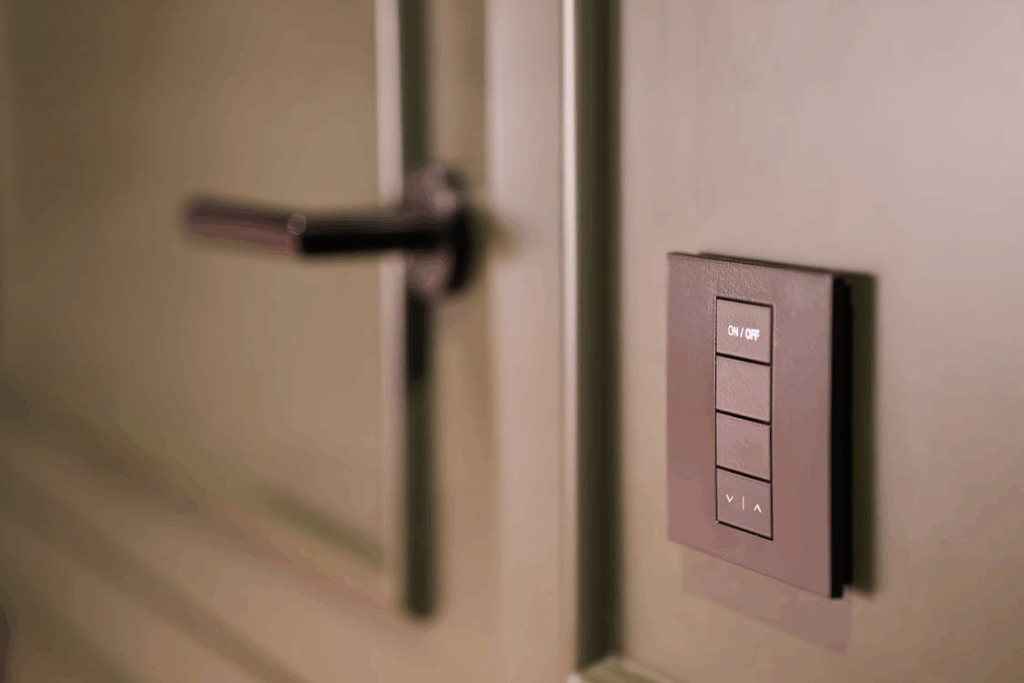
Two-point locking systems secure a door by locking it at two points, usually the latch and a deadbolt. This setup offers strong security while keeping the locking mechanism straightforward and easy to operate. This is great for older adults; they get better safety without the added trouble.
Multi-point locking systems take security a step further by engaging three or more locks along the door frame at the same time. While this makes it harder for breaches to occur, it may take more effort and time to lock/unlock. For seniors, this means the two-point lock might be the safer system, but weigh your options to find the right balance between security and convenience.
Smart Lock Technologies for Aging in Place
Smart locks are especially popular amongst older adults and their families. This technology offers keyless entry, allowing users to unlock doors with a code, smartphone app, or even a fingerprint. Families can monitor the home remotely, giving everyone additional peace of mind. Plus, many smart locks now integrate with emergency systems for standby assistance when you need it.
If you’re ready to future-proof your home with smart upgrades, start with smart locks for professional-grade safety. Smart locks to consider are voice-controlled and touchscreen models, which might be the best option for older adults who are active and in and out of the house frequently.
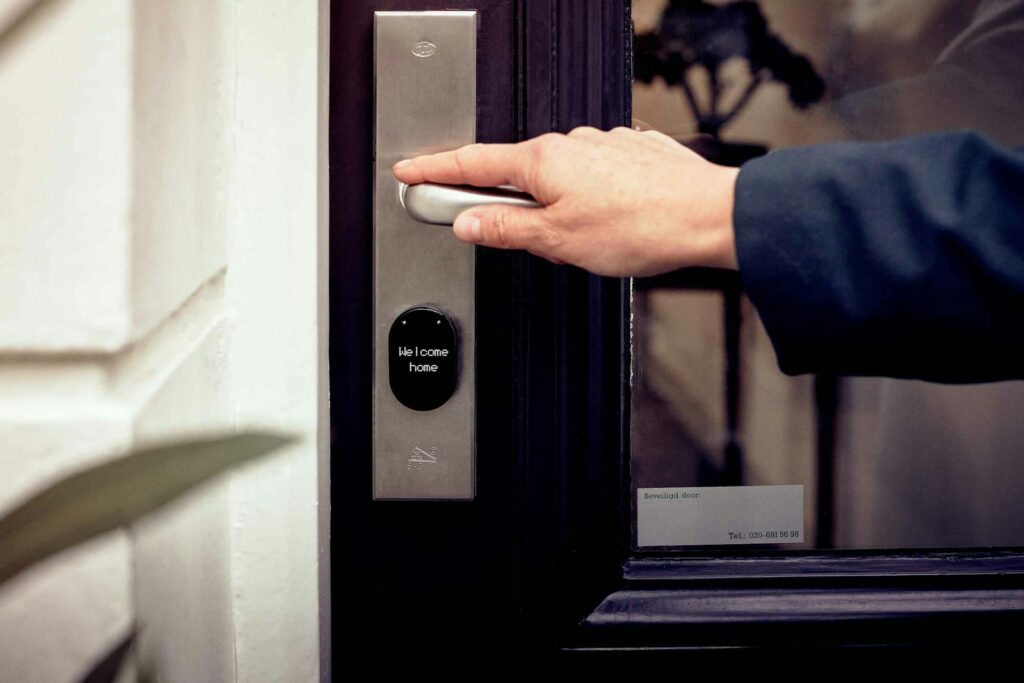
Voice-Activated and Touchscreen Locks
Voice-controlled and touchscreen locks can really help the elderly by allowing them to operate doors with minimal or no hand use. All it requires is a bit of setup for verbal or light physical communication.
Keep in mind, though, that some people might have trouble remembering codes and commands or using the tech. Ensuring these locks are user-friendly and reliable is important in making them a practical choice for seniors.
Final Thoughts on Door Security
Selecting suitable door security options is key to successful aging in place. Hardware that’s both dependable and simple, like a two-point lock handle set, provides seniors with security and easy access, allowing them to live at home rather than in a third-party institution. Lever handles and smart locks, such as voice-activated and touchscreen models, are also great choices for a more convenient and carefree life.