
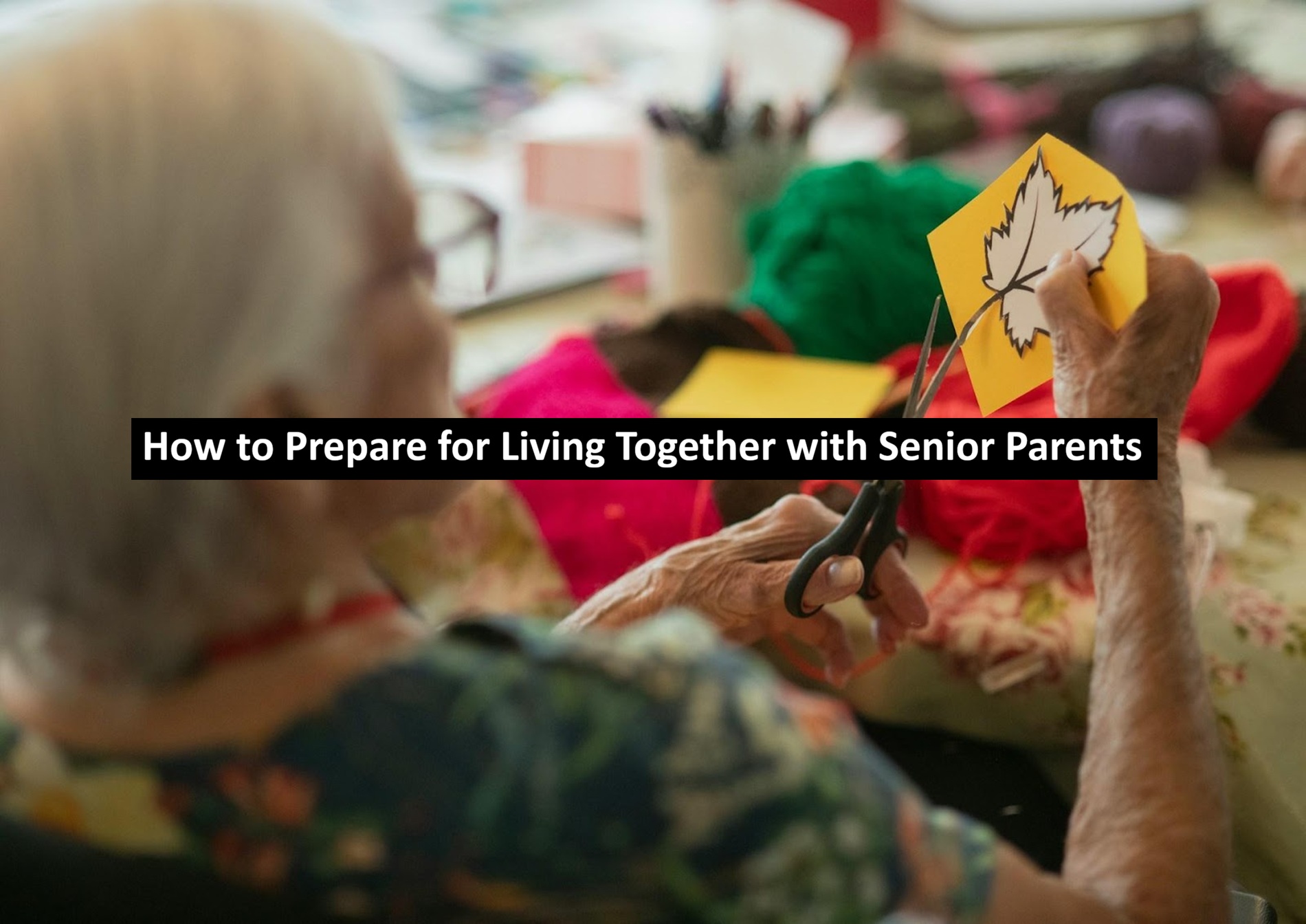
How to Prepare for Living Together with Senior Parents

Moving in with senior parents can bring a family closer, but it doesn’t come without its own challenges – practical issues and health concerns. The real difference is in the prep work: a little planning can keep the whole thing supportive instead of stressful. Here’s what matters most: thinking ahead, keeping everyone’s independence front and center, and making sure the home setup respects your parents and you.
Before anyone packs a box, take a close look at what your parents actually need, both today and down the road. Aging isn’t a straight line – one parent might still get around fine but forget some details; the other may need some assistance due to mobility issues, but keep their mind sharp. Medical histories, medications, and functional abilities should be reviewed carefully.
It’s not just about physical health. Most older parents don’t want to feel like a burden or lose their sense of control, but they won’t always say it out loud. Talk openly about privacy, expectations, and the new day-to-day routines. Let them have a real say, and try not to jump in with your own ideas right away – just listening goes a long way to building trust during the big adjustment.
Assess Your Home Environment
Let’s face it: most homes are set up for younger families, not seniors. Tight hallways, bad lighting, slippery floors – these become real risks as we age. A thorough home assessment should be completed before move-in.
Some fixes are pretty simple, but they are totally worth considering: grab bars in the bathroom, pull-up toilet seats, and extra nightlights. Bigger changes sometimes make all the difference – turning a downstairs room into a bedroom or putting in a ramp. These upgrades aren’t just about safety; they also help your parents hang onto their independence.
Common Home Safety Considerations
| Area of the Home | Potential Risks | Recommended Adjustments |
| Bathroom | Slips, difficulty standing | Grab bars, non-slip mats, raised toilet seats |
| Stairs | Falls, poor visibility | Handrails on both sides, brighter lighting |
| Bedroom | Nighttime falls | Clear pathways, bedside lighting |
| Kitchen | Burns, reaching hazards | Easy-access storage, clearly labeled appliances |
Each modification should be discussed with your parents so that changes feel supportive rather than imposed.
Set Up Roles and Responsibilities
When you all live under the same roof, old family roles blur fast – especially when grown kids step in to help. If nobody talks about who’s supposed to handle medications, doctor visits, bills, or cleaning, resentment builds up quickly. Set clear boundaries right away.
Things will probably change as your parents’ needs shift, so be flexible, but don’t let all the responsibility land on one person unless they really want that role (and get support). Even a simple written plan helps keep everyone on the same page.
How to Manage Healthcare and Medical Needs
Health care gets more complicated when you live together. Keep medication lists, doctors’ info, and insurance details in one place where you all know to look. With multiple specialists and prescriptions, things get missed easily – and mistakes happen fast.
Also, pay attention to little changes: appetite, how well they sleep, mood, or how steady they seem on their feet. Even minor changes can mean something’s off. Talk to a doctor before writing it off as “just aging.”
Support Parents Dignity
Lots of families overdo it – helping so much that parents lose chances to do things themselves. That can backfire, speeding up the loss of confidence and independence. Let your parents stay involved in daily routines and decisions as much as they can handle.
Stick to their old habits where you can – meals, bedtime, and rituals matter. Sure, some changes are needed on both sides, but bend, don’t break. Even small tasks help your parents hold onto their dignity.
Addressing Emotional and Family Dynamics
Tempers and worries pop up after the move-in honeymoon ends. Adult kids feel stretched thin, and parents can feel angry or sad in ways they didn’t expect. None of this is unusual.
Make time for regular check-ins as a group – honestly, this makes a difference. If things get stuck or heated, outside help from a counselor or mediator isn’t throwing in the towel; it just means you care about the relationships enough to protect them.
Plan for Financial and Legal Matters
Financial clarity protects both generations. Living together may change household expenses, tax considerations, and eligibility for benefits. Discussions about cost-sharing or contributions should happen early and be revisited as circumstances change.
Don’t ignore legal stuff either. Review advance directives, powers of attorney, and medical proxies. These conversations might feel heavy, but they save everybody a lot of stress when a crisis hits.
What Happens When Care Needs Increase?
Aging doesn’t stop, and the setup that works now might not in a few years. Talk openly about “what ifs”: more help at home, outside home-care services, or even moving to assisted living if it comes to that.
Planning ahead gives you more choices later and less panic in a pinch. Look into options like day programs or respite care before you’re desperate. Sometimes outside help isn’t just smart – it’s the only way everyone gets through this in one piece.
Conclusion
Living with senior parents is about a lot more than good intentions. It takes planning, real conversations, and a willingness to keep tweaking how things work. But with the right preparation and genuine respect, sharing your home can lift everyone up – and make aging something the family handles together, not alone. Consider senior-friendly home upgrades and comfortable furniture like power lift chairs for seniors, to help your elderly parent feel at home.