
Hurricane-Ready Homes: Hardware and Materials That Make a Difference

Ninety named cyclones form each year, causing havoc and destruction across the globe. Many people actually think of Asia or the Caribbean when hurricane season comes around. But that’s not the whole of it. Mozambique, Jamaica, Tanzania, among others, are also impacted. The aftermath is never pretty, and can be avoided when homeowners take the right steps to protect their property.
In this scenario, could hurricane-ready homes truly be a luxury? They are more for survival and necessity. The right mix of materials, hardware, and design makes all the difference. So how do you build a home that withstands the storm? That doesn’t crumble under the pressure? Here’s how:
Materials: Matter More Than You Think
Reinforced Concrete and Cement Blocks
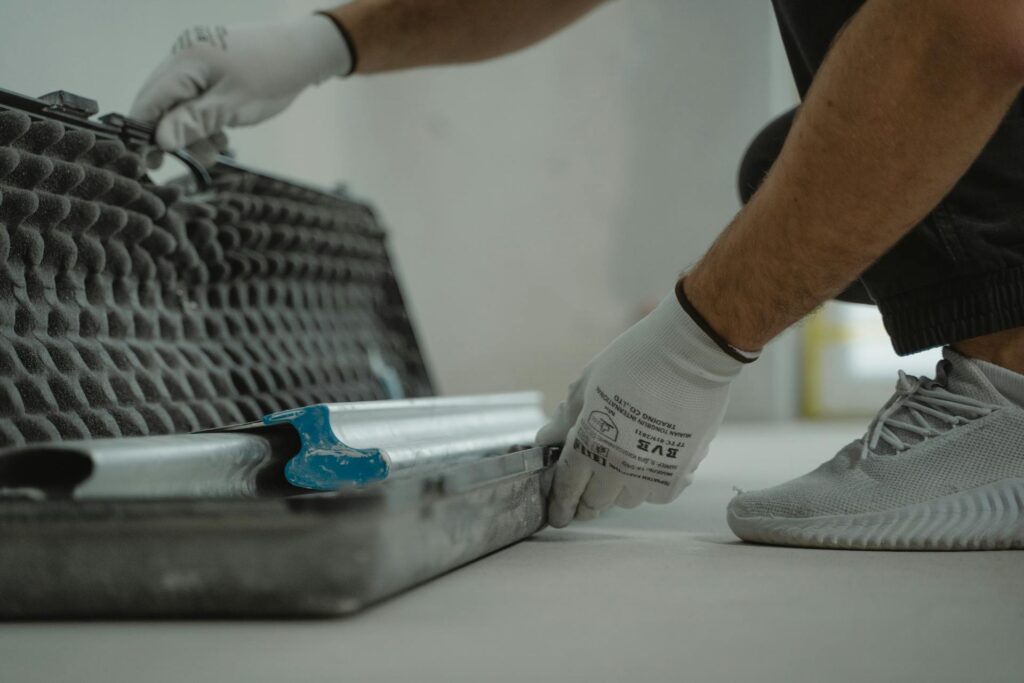
The gold standard for structural integrity? Look no further than reinforced concrete. Add steel rebar, and you’ve got a winner against high winds and flying debris. But then, at the same time, you could consider cement blocks too. But cement blocks won’t be enough. Fill them with concrete. Reinforce with vertical steel bars. It’s affordable. It’s simple. The best part? It lasts for years.
Read: Why Every Coffee Table Deserves a Beautifully Scented Candle?
Fiber Cement Boards
Used for cladding and roofing underlays, fiber cement boards are resistant. Resistant to what? Moisture, termites, and even fire. They don’t warp or rot in humid conditions, making them ideal for coastal climates. It’s the ideal choice when you’re looking for features that make your home safe, not just pretty.
Impact-Resistant Glass and Shutters
The first thing to break during a hurricane is glass. It’s not just scary; it’s extremely dangerous, too. What’s the solution? Laminated or tempered glass windows. They resist shattering during high winds. Don’t forget the storm shutters. Made from metal or reinforced wood, they protect openings.
Galvanized Steel Roofing
Corrugated galvanized iron (CGI) sheets are popular everywhere, but not all are made equal. Thicker steel with anti-corrosion coatings and secure anchoring systems is amazing. They improve wind resistance.
Engineered Timber and Bamboo
Away from the city, treated timber or engineered bamboo is perfect. It’s sustainable. It’s a great hurricane-resilient alternative (when properly anchored or braced). That’s not all. Bamboo is known for its good strength-to-weight ratio. So it’s strong and secure!
Hardware That Holds It All Together
Hurricane Straps and Ties
These metal connectors anchor the roof to the walls and the walls to the foundation. It creates a continuous load path. In high-wind zones, this is critical. Without them, roofs would lift like lids on a boiling pot.
Anchor Bolts and Hold-Downs
Used to secure walls to foundations, these components prevent lateral movement and uplift. Homes built with these anchoring systems show significantly less damage during storms.
Wind-Rated Fasteners
Standard nails won’t cut it. Ring-shank nails and corrosion-resistant screws grip harder and last longer.
Waterproof Membranes and Flashing
Water doesn’t knock politely. It finds the tiniest crack and floods your peace. These silent protectors seal joints and edges, keeping water out even when rain is driven sideways.
Design Principles: Build Smart, Not Just Strong
Aerodynamic Roofs
The wind loves corners. Don’t give it any. Hip roofs (sloped on all sides) are more wind-resistant than gable roofs. Overhangs should be short or reinforced.
Elevated Foundations
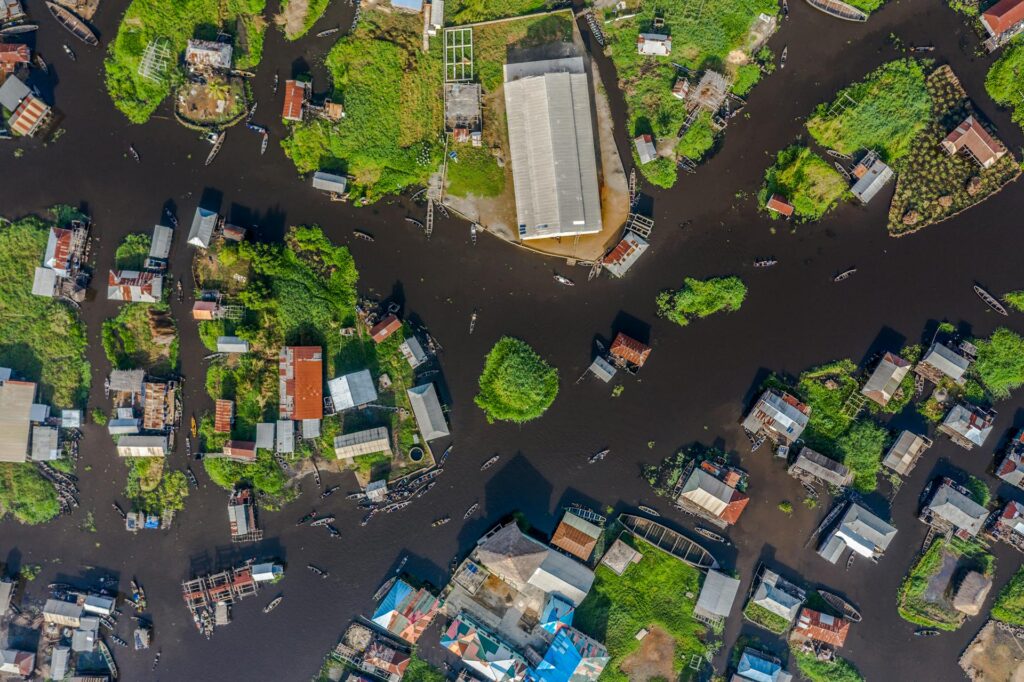
In flood-prone zones, raising homes on plinths or stilts keeps water out. In Madagascar’s lowlands, this is a lifesaver.
Cross-Bracing and Shear Walls
These add lateral strength, helping homes resist twisting forces during storms. You can browse the latest home renovation trends to find a design that best matches your aesthetic without compromising safety!
Compact Footprints
Small, simpler shapes are less vulnerable. Fancy balconies and wide eaves may look good, but they’re storm bait. In cyclone country, simplicity isn’t dull. It’s brilliant. And let’s not forget drainage. The aftermath of a storm isn’t pretty. Make sure you’re not compromising on your home’s drainage. It could lead to expensive mistakes later.
Maintenance and Retrofitting: The Forgotten Frontline
Even the best-built home can fail without care-taking. In many hurricane-prone regions, retrofitting existing homes with roof fasteners, storm shutters, and more can reduce risk. Regular inspections before storm season can catch loose roofing sheets or degraded anchors.
Community workshops on basic retrofitting techniques empower people to take action without waiting for support. Sometimes, a $10 strap can save a $10,000 roof. Sometimes homeowners are tempted to forgo regular maintenance. It’s about being economical in that moment. But being economical can lead to costly mistakes later. Don’t compromise on safety in the face of money. Choose to do it and know that you’ll be safer in the long run.
Building Forward
Cyclone Idai in 2019 showed everyone the importance of having solid structures. Some homes stood. Others collapsed. Post-disaster studies actually show that simple upgrades made all the difference. Hurricane ties and better roof fasteners could have prevented nearly half the structural failures.
Globally, the climate is changing. And so must the homes. Hurricane-ready construction isn’t just about surviving the next storm. It’s about protecting lives, preserving dignity, and building a secure future with everyone. Find tools and hardware in Jamaica to safeguard your home before hurricane season. Keep you and your loved ones protected. Nobody can stop the wind. But you can build so that the wind doesn’t blow anyone away.